Create a practical low-maintenance Calgary yard with drought-aware planting, rock, mulch, edging, efficient watering, and drainage-first landscape design.
A low-maintenance yard should save time without becoming a bare field of gravel. The best Calgary xeriscapes combine practical water use, healthy soil, durable hardscape, well-defined planting zones, and a drainage plan that protects the home.
What xeriscaping means for a Calgary yard
Xeriscaping is a landscape-planning approach that reduces unnecessary watering and ongoing upkeep. It does not mean removing every plant. A successful design uses plants and materials that suit the site, groups plants with similar water needs, and directs rainfall and snowmelt where it can be used safely.
For Calgary homeowners, that often means replacing difficult lawn areas with a considered mix of drought-aware planting, decorative rock, mulch, paths, edging, and smaller areas of turf where grass is genuinely useful.
Start with drainage and grading
Low maintenance starts below the finished surface. Before installing rock, fabric, mulch, or plants, review where water moves during heavy rain and spring melt. The finished grade should move water away from the foundation without creating a problem for neighbouring properties.
- Check downspouts, low spots, side yards, patios, and retaining walls.
- Correct drainage problems before covering the soil with finish materials.
- Keep access points, utility locations, window wells, and foundation clearances in the plan.
- Use edging and surface materials without blocking intended water movement.
If pooling water or poor grading is already present, begin with our Calgary drainage solutions before completing the xeriscape finish.
Ten low-maintenance landscaping ideas
1. Keep lawn only where it adds value
A smaller, well-shaped lawn is easier to mow and water than narrow strips or awkward corners. Keep turf for play, pets, or a comfortable gathering area, and use other materials where grass struggles.
2. Group plants by sun and water needs
Place plants with similar requirements together. This avoids overwatering drought-tolerant plants while trying to support a thirstier neighbour. Consider sun exposure, wind, snow storage, mature plant size, and the amount of care you realistically want to provide.
3. Use mulch where soil health matters
Organic mulch can reduce evaporation, moderate soil temperature, and help control weeds around shrubs and perennials. It still requires correct depth, clean edging, and occasional renewal.
4. Use decorative rock selectively
Rock is useful in high-wear areas, dry side yards, drainage features, and modern planting beds. It should be installed with proper preparation and boundaries so it does not migrate into lawns, walks, or neighbouring materials.
5. Build clear, durable edges
Good edging keeps rock, mulch, lawn, and planting beds separated. Clear transitions make maintenance easier and give the yard a deliberate finished appearance.
6. Create practical paths
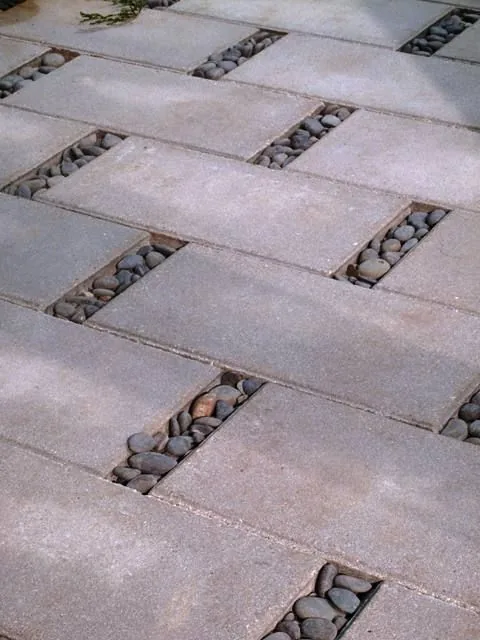
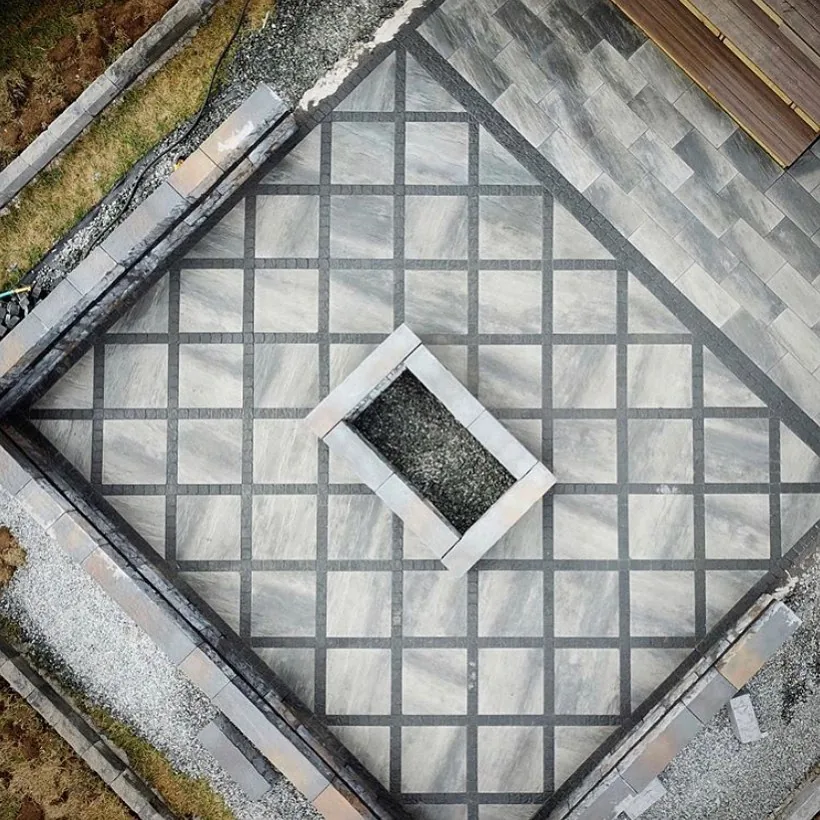
Stepping stones, compacted pathways, or paving stones protect planting areas and provide reliable access to gates, sheds, utilities, and outdoor living spaces. Path materials should be selected with drainage, snow clearing, and foot traffic in mind.
7. Plan efficient watering
New plants need establishment watering even in a water-conscious landscape. Direct water to root zones, check the soil before watering again, and avoid spraying hard surfaces. The irrigation approach should match the final planting plan rather than being added as an afterthought.
8. Choose plants for mature size
Overcrowded plants create avoidable pruning and replacement work. Leave appropriate room around walks, windows, fences, air-conditioning equipment, and utility access.
9. Add structure for four-season interest
Evergreens, ornamental grasses, stone, boulders, edging, and well-placed hardscape can keep the yard visually organized when flowers are not in bloom.
10. Make weed prevention part of the whole system
No landscape is completely maintenance-free. Weed control works best when preparation, plant spacing, mulch or rock depth, edging, and regular early removal all work together. Fabric may suit some rock areas, but it is not a substitute for proper site preparation.
What affects the cost of xeriscaping?
Every yard has a different scope. The main cost factors include demolition, excavation, disposal, access, grading, drainage, soil work, edging, rock or mulch quantities, plant sizes, irrigation changes, pathways, and retaining structures. A small conversion of one difficult lawn area is very different from rebuilding a complete front and backyard.
For a more useful first estimate, provide:
- Wide photos of the full yard and close-ups of problem areas.
- Approximate length and width of the area.
- Notes about water pooling, slopes, downspouts, or soft ground.
- Your preferred materials, colours, and planting style.
- Your budget range and ideal project timing.
Frequently asked questions
Is xeriscaping completely maintenance-free?
No. It can significantly reduce mowing, watering, and recurring upkeep, but plants still need establishment care, weeds should be removed early, and rock, mulch, edging, and irrigation need occasional attention.
Can I xeriscape only part of my yard?
Yes. Many projects begin with a dry front yard, difficult side yard, narrow lawn strip, or planting bed that needs too much work. A phased design can preserve useful lawn while improving the hardest areas first.
Should drainage be completed before xeriscaping?
Yes, when water is moving in the wrong direction or collecting near the home. Drainage and grading are much easier to correct before new rock, planting, paths, or edging are installed.
Can a low-maintenance yard still include flowers and shrubs?
Absolutely. The goal is to use the right plant in the right place, not to eliminate planting. A balanced plan can provide colour, texture, habitat, and seasonal interest with a manageable level of care.
Plan a yard that fits how you live
A Green Future can combine xeriscaping with low-maintenance front-yard landscaping, side-yard improvements, drainage, paving stones, retaining walls, and planting. The result should solve the practical problems first and still feel like a welcoming outdoor space.
Ready for a lower-maintenance landscape?
Tell us what you want to change, upload a few yard photos, and include rough measurements. We’ll review the drainage, access, materials, planting goals, and budget before recommending the next step.
Article Photos